
Who pays for repairs in a rented home: the tenant or the landlord?
October 27, 2026 · By Smarter Facility
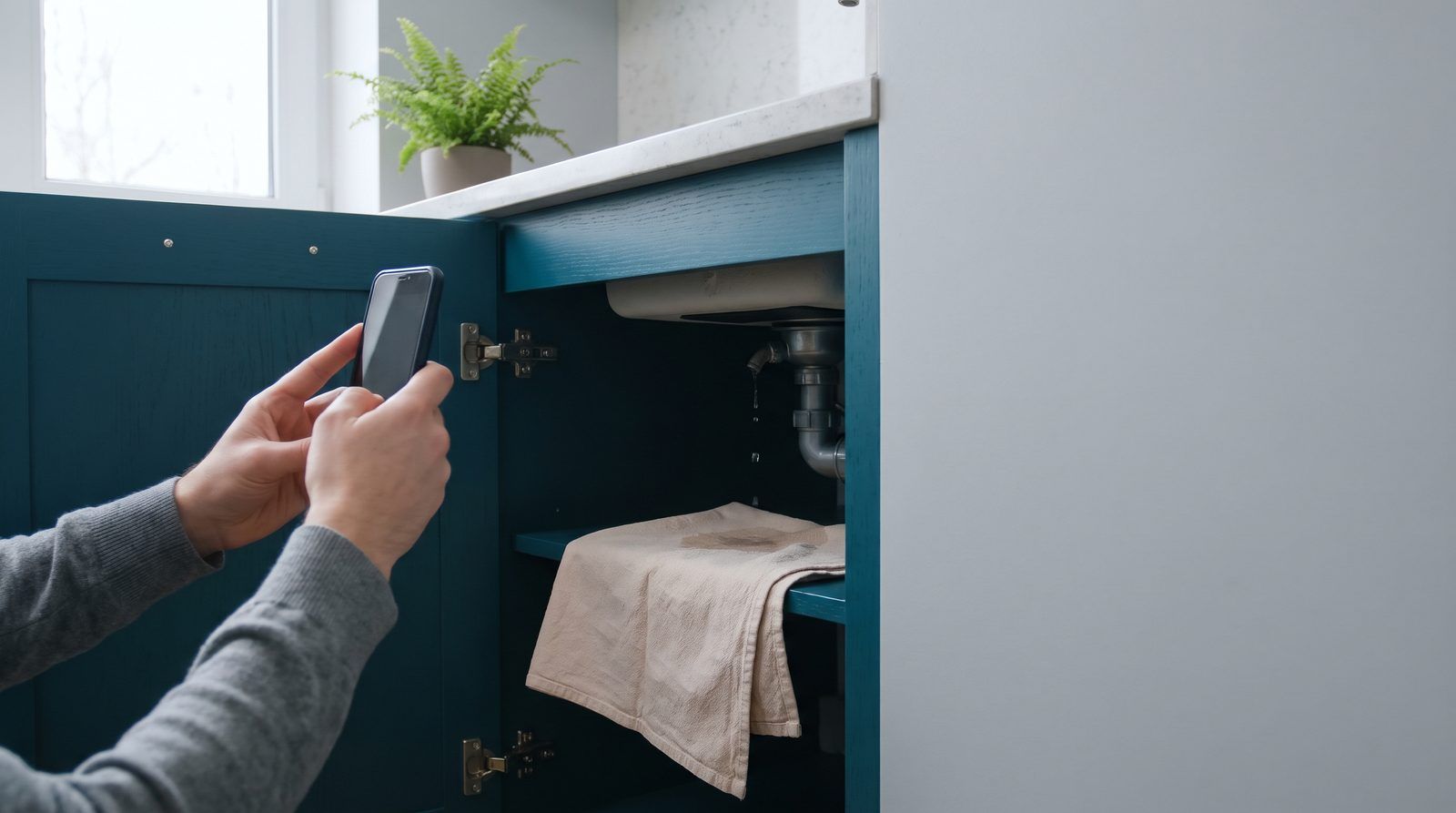
Who pays for repairs in a rented home: how to tell wear from damage, what the Bulgarian Obligations and Contracts Act says, and what to put in the lease.
Who pays for a repair in a rented home depends on the cause. The tenant pays for damage they caused through fault, and for small repairs from ordinary use. The landlord pays for all other damage. That is the rule in art. 231 of the Obligations and Contracts Act (ZZD), and the lease can provide otherwise.
When the cause is unclear, four questions help: what caused the damage, what exactly was damaged, what the lease says, and how urgent the repair is. In most cases the first two are enough to tell who pays. The lease changes the answer only for the things it names explicitly. Urgency decides who acts first, not who pays.
Who pays for repairs: the tenant or the landlord?
The tenant pays for damage from misuse or carelessness and for small repairs from everyday use, while wear and breakdowns in the building systems and in the appliances supplied with the home are the landlord's.
Here is how it works in practice. Each line gives the case, who pays and what proves it:
- Damage from misuse, an accident or carelessness, for example a broken interior door, a cracked glass-ceramic hob or stains on the mattress. The tenant pays. It is proved by an inventory with photos showing the item intact.
- A surface worn by normal use, for example faded curtains, worn parquet lacquer or a scuffed hallway wall. The landlord pays. It is proved by the age of the finish and its state in the move-in photos.
- A breakdown in the plumbing, wiring, heating or windows. The landlord pays. It is proved by a written note from the technician on the cause.
- An appliance supplied by the landlord that has failed from age, for example a fridge, washing machine or boiler. The landlord pays. It is proved by the inventory that lists the appliance and by the technician's note.
- Consumables and small upkeep, for example bulbs, batteries, filters or a blocked sink trap. Usually the tenant pays. It is proved by a lease clause that lists the small repairs.
- The tenant's own belongings. The tenant pays. It is proved by the fact that they do not appear in the inventory.
The rule is in art. 231 ZZD. Small repairs of damage from ordinary use, such as dirtied walls, corroded taps and locks or blocked chimneys, are the tenant's. Repairs of all other damage, unless the tenant caused it through fault, are the landlord's.
The lines above change in two cases. The first is a supplied appliance damaged by misuse, for example a washing machine run with a coin in the pump. The cost then shifts from the landlord to the tenant, and the technician's note is the basis for it. The second is a lease that allocates a category differently: for that category, the lease applies.
How do you tell normal wear from damage caused by the tenant?
Normal wear is the slow ageing of a home from ordinary use, for example faded paint or a loose hinge, while tenant damage is harm from misuse, an accident or carelessness, for example a cracked sink or a burnt kitchen worktop.
Three checks tell them apart. The first is age: an item that fails near the end of its normal life is worn, while the sudden failure of a two-year-old appliance points to a specific cause. The second is what the damage looks like. Wear is even and follows use, like a path worn into the floor or colour faded where the sun falls. Damage is local and sudden: a dent, a burn, a crack from an impact. The third check is the inventory made at handover. If the item is intact in the photos and broken now, the tenant has to explain what happened.
Without an inventory the third check does not exist, and the dispute comes down to one word against another. The law then favours the landlord: under art. 233 ZZD the home is presumed to have been received in good condition, and the tenant owes compensation for damage during the tenancy unless they prove it was caused by something they are not responsible for. With photos from move-in the tenant can rebut that presumption. So the inventory is in both parties' interest.
The tenant is also responsible for damage caused by members of their household and by subtenants. They must also tell the landlord immediately about any damage they notice (art. 233 ZZD).
Carelessness turns wear into damage. A slow leak under the sink comes from a worn seal, and the repair is the landlord's. But if the tenant watched the leak for months without reporting it and the cabinet under the sink has rotted, the cabinet is now damage from carelessness. Which of the two it is shows in the written report of the fault, or in the absence of one.
Where is the line between a small repair and one for the landlord?
Small repairs from everyday use, such as changing bulbs, cleaning filters or unblocking the sink trap, are usually the tenant's, while repairs to the plumbing, wiring, heating, windows and supplied appliances are the landlord's.
The line runs between consumables and the home itself. A consumable wears out with every use and is replaced with an ordinary household tool: a bulb, the battery in a smoke detector, a cooker-hood filter, a shower hose. The home is what is built into the walls or comes with the apartment: pipes, cables, the fuse board, radiators, windows, the boiler, a built-in oven. List every supplied item by name in the inventory, so there is no argument later about what was in the home.
The grey zone is the cases in between: a dripping tap, a loose door handle, a cistern that will not stop running. The rule of thumb is simple. If the repair needs a tradesperson or a new part of the installation, the landlord usually pays. If the tenant can fix it in minutes with a household tool, the tenant usually pays. If the lease sets a cap in EUR for the tenant's repairs, the cap decides.
The law defines small repairs by the cause of the damage, not by price or by who can do the job: they are repairs of damage from ordinary use (art. 231(1) ZZD). So what is said above about the tradesperson and the household tool is only a rule of thumb, not a rule.
Mould is a case of its own, especially in older panel blocks. Mould in the corners of outside walls and around the windows points to a problem with the building: weak insulation or a thermal bridge, and that is the landlord's job. Mould in the bathroom and in rooms where laundry dries indoors with the windows shut points to how the home is used. Photograph where it appeared before anyone cleans it.
What should the lease say about repairs?
The repairs clause in a lease should list which repairs the tenant takes and which the landlord takes, how a fault is reported, how fast the landlord responds, and how an urgent repair is ordered and its cost recovered.
A well-written clause settles five questions:
- the small repairs the tenant carries out and pays for, listed by name, and a cap in EUR above which the landlord decides
- the repairs the landlord takes, grouped by system: plumbing, wiring, heating, windows, supplied appliances
- how the tenant reports a fault: in writing, with a photo, and within a set number of days of noticing it
- within how many days the landlord arranges the repair once informed
- who may call a tradesperson for an urgent repair, which ones, after how many hours without an answer, and how the cost is settled
The typical mistake is a one-line clause: "the tenant keeps the home in good condition". Such a clause names no category, so every fault is renegotiated. A long list has the opposite flaw: it settles the listed cases and says nothing about the rest. Use both: the list, and a fallback rule that anything not listed is reported in writing and the landlord decides within the response time.
The parties may freely set the content of a contract as long as it does not conflict with mandatory rules of law and good morals (art. 9 ZZD), and the rule on the condition of the home at handover in art. 230 ZZD begins with "unless agreed otherwise". Allocating repairs by a list is therefore common. How far a clause can go, for example whether it can shift the wear of the whole home onto the tenant, is a question for a lawyer.
The repairs clause is only one part of the rental agreement.
What should you do when a repair is urgent?
When a repair cannot wait, for example a burst pipe or heating that has stopped in winter, the tenant must limit the damage at once and notify the landlord in writing, and who pays again depends on the cause.
A repair is urgent when the damage is spreading or the home cannot be used: water is leaking, there is no heating in winter, there is no hot water, sparks come from a socket or switch, or the fuse keeps tripping, or the front door will not lock. Everything else waits for the normal response time. In every urgent case the photo and the time of the message later show that the tenant reacted at once.
The order of actions matters. The tenant shuts the main water valve or switches off the relevant breaker at the board, photographs the damage and sends the landlord a written message with the photo. The landlord confirms which tradesperson is coming and when. If the plumber and the electrician are agreed in advance, the worst delay is avoided: looking for a tradesperson in the middle of the night.
If the landlord does not answer, the urgent-repairs clause of the lease applies. After the agreed number of hours without a reply the tenant calls the named tradesperson and sends the landlord the invoice and photos the same day.
The law also provides a way out. If the landlord does not make the repairs that are theirs to pay for, the tenant may ask for them to be made, ask for a proportionate reduction of the rent, or terminate the contract (art. 230(2) ZZD). If the tenant makes the repair themselves with the care of a good owner, they may set its cost off against the rent (art. 231(2) ZZD). The tenant may claim damages only where the damage is due to a cause for which the landlord is responsible.
The law speaks of a landlord who has not made the repair, so the dated written notice comes first. Without it the landlord can say they did not know about the fault.
What to document so there is no dispute over who pays for a repair
Four documents decide who pays for a repair when the tenant leaves: an inventory with dated photos at handover, a written report of every fault, an invoice for every repair, and written agreement before any deduction.
The inventory is made on move-in day, room by room, with photos of every appliance and of every surface that already has a mark. Both parties sign it and each keeps a copy. At move-out, repeat it in the same room order, so that every move-in photo has a matching move-out photo.
A fault report is written, dated and carries a photo. The tenant sends it and both parties keep it. It shows when the landlord learned of the problem.
Each invoice is attached to the record of the item it concerns, not dropped into a general folder. After several tenancies this builds a repair history for every appliance: a washing machine repaired for the third time in two years should be replaced, and the history shows it.
Before any sum is deducted from the rent or the deposit, both parties agree in writing on the amount and the reason. A phone agreement is not a document.
The usual problem is not that documents are missing but that they are scattered: photos in the galleries of two phones, fault reports in a chat app, invoices in email. When the tenancy ends a year later, the photo that would settle the dispute cannot be found.
Smarter Facility is a rental property management platform in Bulgaria. Owners manage their property themselves or hand it to a partner agency, and in the platform they see rents, contracts, repairs and documents in real time. Damage and repairs lets you document damage with photos and a description, and the other party approves or rejects its assessment. Repair costs are tracked with receipts, and the damage history is kept per property, so everyone involved sees the same record.
This article is general information, not individual legal advice. For a specific lease or case, consult a lawyer.
More questions about repairs in a rented home
Frequently asked questions
- Can the landlord keep part of the deposit for repairs?
- Only if the lease provides for a deposit and for the conditions of deduction, because the lease rules of the Obligations and Contracts Act do not regulate the deposit. The deposit can cover the repair of damage the tenant caused, and the damage must be visible from the inventory and backed by an invoice or a written quote. Wear and breakdowns in the building systems are the landlord's and are not deducted from the deposit. Repainting walls that have simply aged during the tenancy is wear. What else can be deducted is described in our article on deposit deductions.
- Who pays if the tenant repainted or installed something without permission?
- Changes the tenant makes without written consent, for example painting a room in a bright colour or drilling walls for new fittings, are usually at the tenant's expense, as is restoring the original state when they leave. Approved changes are agreed in writing: who owns them after the tenancy and whether any cost is reimbursed. If the lease is silent and the tenant has put money into the home, the question is one for a lawyer.
- Who pays for the technician's visit if the cause turns out to be misuse?
- The visit is paid by the same rule as the repair: whoever caused the fault pays. If the technician finds misuse, for example a coin or a sock in the washing machine pump, the tenant pays for the visit and the repair. If the fault is from wear, the landlord pays for both. Ask the technician to write the cause on the invoice.
- Who pays for periodic servicing, for example cleaning the air conditioner?
- Periodic servicing that keeps the home's appliances in working order, for example professional cleaning of the air conditioner or descaling the boiler, is usually arranged and paid for by the landlord. Rinsing filters the tenant can reach without tools is the tenant's job. Write each such task into the lease, with who arranges it and how often.
- Who pays if a leak from the neighbours damages the rented home?
- When water from a neighbouring apartment damages the rented home, the repair is not at the tenant's expense. The tenant's task is to photograph the damage and notify the landlord in writing the same day. Under the law, the owner of a thing and the person who supervises it are jointly liable for damage it causes (art. 50 ZZD), and whoever causes damage through fault must make it good (art. 45 ZZD). The landlord seeks compensation from the neighbour or from the insurer if the home is insured; whether the insurance covers the damage depends on the policy.