
Inherited property: should you rent it out or sell it?
September 24, 2026 · By Smarter Facility
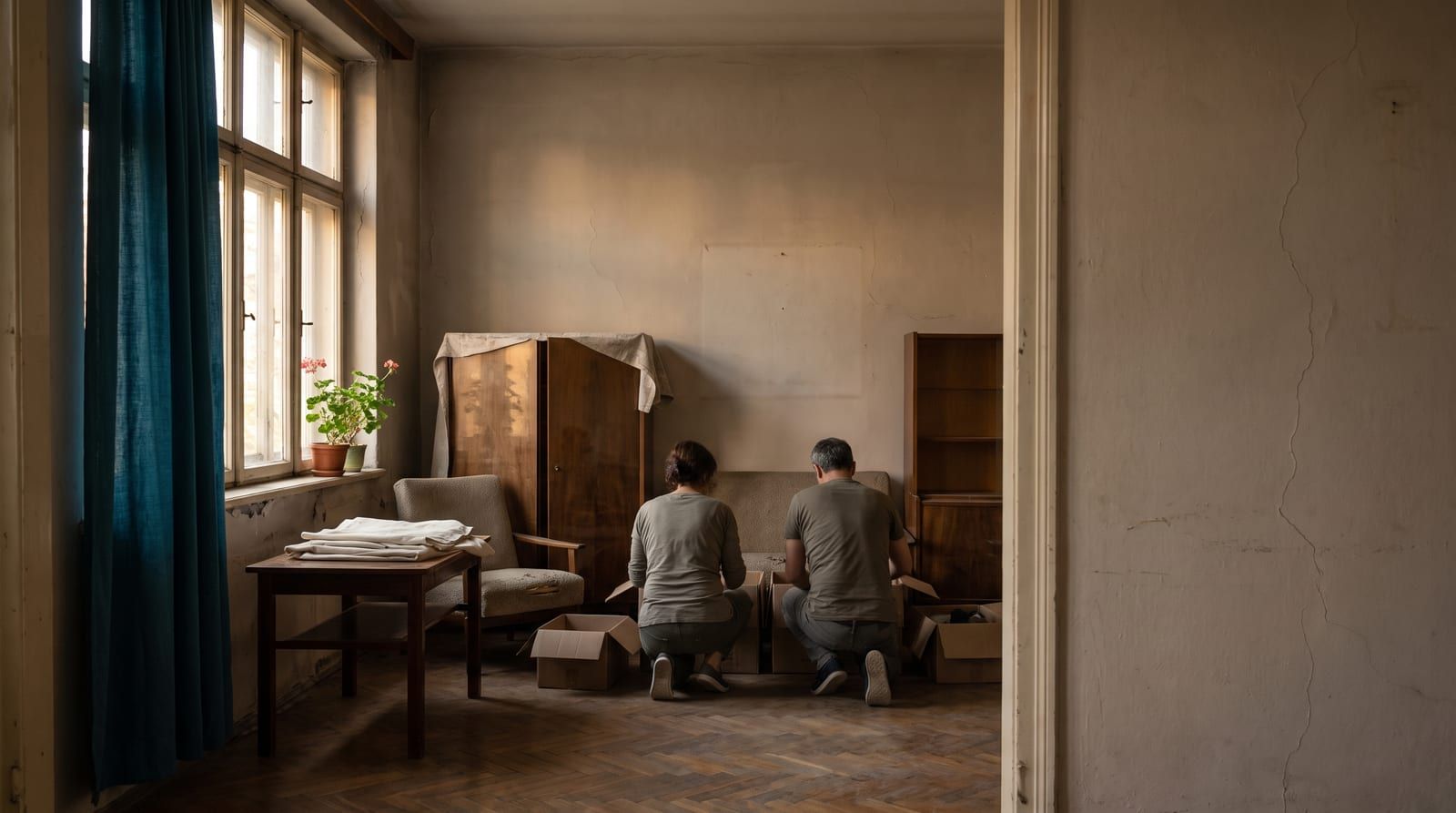
An inherited property is worth renting out only under three conditions. See what they are, how to reach agreement with the other heirs and how to compare renting and selling over the same period.
An inherited property is worth renting out only under three conditions: the heirs agree, the home can be let without major renovation, and a specific person will look after the tenancy. If even one of them is missing, it is simpler to sell the property or sell your share to another heir. That is why the choice between renting and selling comes last. First work out whether the documents already allow you to sell or rent, whether the heirs are of one mind, what state the home is in and who will take on the tenancy. Only then compare what each option really brings you.
Can you sell or rent out the inherited property yet?
Before you sell or rent out an inherited property, it has to be clear who all the heirs are, and each of them needs the documents the notary, the buyer or the tenant will ask for. If the inheritance has not been formalised yet, start there and leave the choice between renting and selling for later. Which documents you need exactly, and whether a lease signed by only some of the heirs is valid, is a question for a notary or a lawyer.
A common mistake is for the heirs to order a valuation or post a rental listing while one of them is still unknown, or lives abroad with nobody to sign on their behalf. Both a sale and a lease stop at the ownership check, and the work on the listing is wasted.
If one of the heirs lives abroad, they can authorise another heir to sign on their behalf. Arrange the power of attorney before you have found a buyer or a tenant, and ask the notary what requirements it has to meet if it is issued abroad.
What if the heirs do not agree?
When the heirs cannot agree on what to do with the property, there are three ways out: one of them buys out the others' shares, they all sell together, or they all sign a written agreement on who manages the tenancy and how income and costs are split.
The riskiest move is to rent out the property without everyone's agreement. The heir who deals with the tenant starts to feel it is unfair to split the rent equally. The others, who never see the property, refuse to pay for repairs they did not approve. Discuss with a lawyer how the decision to let is made when the heirs are not unanimous.
Buying out the shares
This option suits the case where one heir wants to keep the home, often for themselves or their family, and can pay out the others' shares. First agree on how you will set the price, and only then talk about the amount. If everyone accepts an independent valuation in advance, there will be no second argument about money.
Selling together
Sell together when nobody wants the property and nobody will deal with a tenancy. Here it all comes down to timing. An heir who needs the money now will accept whatever price the market offers at the time. If you wait for a better price, the costs of the empty home keep adding up.
A written agreement on the tenancy
Sign a written agreement when everyone wants to keep the property but only one heir will manage it. In it, set out:
- which heir manages the tenancy;
- which account the rent is paid into;
- which costs are deducted before the rent is split;
- where income and costs are recorded, so that every heir can see them;
- what happens if an heir later wants to sell.
How does preparing the home for rent differ from preparing it for sale?
The preparation is different. For a sale, the home can be offered as it is, at a price that reflects its condition. For renting, it needs working installations and basic furniture, and the rooms must be cleared and cleaned before the first viewing.
The typical mistake when selling is renovating before the listing. The heirs pay for finishing work that a buyer planning their own renovation will rip out, and the price does not rise enough to cover it. If the installations are old or the layout is awkward, sell the home as it is and fix only what stands in the way of the sale, such as a leak.
For renting, there is a minimum below which the home cannot be let: safe wiring and plumbing, working heating, a usable kitchen and bathroom, beds and empty wardrobes. While you prepare the home it earns no rent, and the work needs someone on site. What to check room by room is covered in the guide to preparing an apartment for rent.
If the installations have to be replaced before anyone can live in the home at all, renting means paying that cost up front. Selling then usually comes out ahead, unless the heirs have decided to keep the property for many years.
Who will look after the tenancy if you live in another city?
An inherited property in another city can be let successfully only if a specific person (you, a relative nearby or a management company) takes on the viewings, the handover, the repairs and the tracking of payments. If nobody takes on that role, the tenancy will cost you more time than it is worth. Here are the pros and cons:
- You: full control and the whole rent, but you travel for every handover and every urgent repair.
- A relative nearby: almost no cost, but the help stops when the relative is busy, and arguments about repairs become family arguments.
- An agency: finds and screens the tenant, but after that the tenancy is your job.
- A management company: takes on the day-to-day work for a share of the income, and you give up some direct control.
If one of the heirs lives in the same city, the third condition is usually met. What remains is whether that heir gets paid for the work, and the answer belongs in the written agreement. How to organise a tenancy when you are far away is covered in the article on managing a rental property remotely, and the whole topic is collected in the guide to managing a rental property.
Renting out or selling an inherited property: how to compare the two
Compare what each option leaves you over the same period, for example five years. Do not compare the sale price with one month's rent.
For renting, start from the amount you actually receive. Subtract the loss from months without a tenant, maintenance, running costs such as building tax, waste fee and building association fees, management costs if there are any, and the tax on rental income. How much that tax is and which costs are recognised is a question for an accountant.
For selling, start from the price and subtract the agency fee if you sell through an agency, the notary costs and any tax due. The accountant can also tell you whether the sale of an inherited property is taxed. Then add what the sale proceeds would earn over the same period if the heirs invested them elsewhere.
The four options differ in how much money you get now, whether there is ongoing income, how much time they take, what the main risk is and whether the decision can be reversed:
- Sell now. Everyone receives their full share straight away, but there is no ongoing income. It takes little time, and only once. The risk is a weak market at the moment you sell, and there is no going back.
- Rent out. No money now, but income every month. Someone has to deal with it all the time. The risks are empty months, damage and disputes, but the property can still be sold later.
- Rent out, then sell. No money until the sale, but income until then. Someone deals with the tenancy until the sale, and then with the sale itself. It carries the risks of both options, plus a tenant in the home when you sell. When you can sell depends on the lease.
- Buy-out. The heirs who sell their shares receive their full share and spend little time, while for the heir who buys it is an expense. Only the new sole owner has ongoing income. The risk is a dispute over the valuation, and the new owner can later rent the property out or sell it.
The comparison stops making sense when one of the heirs needs money right away, to repay a debt or buy a home of their own. Then sell the property or buy out that heir's share, and the remaining heirs can run the comparison for their own shares.
Can you rent the property out now and sell it later?
You can, if the lease ends around the date you plan to sell. Otherwise your buyers will be limited to investors willing to buy a home with a tenant in it. Before you sign the lease, discuss with a lawyer whether it also binds the new owner.
If you plan to sell during the first lease, set its term so that it ends before the listing, or agree at signing on the conditions under which it can be ended. Check with the lawyer who reviews the lease which early termination terms are permissible.
The second difficulty is viewings while the tenant still lives in the home. Write into the lease how many days' notice you give and how often viewings can take place. A tenant who was not warned stops cooperating, and a viewing in an occupied, untidy home lowers the chance of a good price.
What to document from the first day of the tenancy
If the heirs decide to rent out the property, from day one document the furniture with an inventory and photos, the meter readings at handover, every cost for the property and every payment received. Each of these records settles a specific dispute:
- The furniture inventory and the photos decide what happens to the deposit at the end of the tenancy. How to draw up such an inventory is covered in the article on the furniture inventory.
- The meter readings separate the tenant's bills from the bills for the period before.
- The log of costs and payments settles the split between the heirs. Ask the accountant whether these costs also count on the tax return.
Timing matters for each record. Photograph the home before the first viewing. At handover, sign the inventory and the meter readings together with the tenant by entering them in the handover report. Record every payment in the month it arrives, and log every repair on the day you pay for it, together with the invoice or receipt. If you hand the tenancy to a management company, agree from the start which records the company will keep and that every heir will have access to them.
In Smarter Facility, the furniture inventory, damage with photos, rent payments and the property's income and costs are kept in one place. The heir who manages the tenancy can produce a financial report for the property, and the others can use it to check that the agreement is being kept. The platform does not find tenants and does not manage the property for you. See how it works in the solution for investors.
Frequently asked questions
- What should the heirs do with the furniture and belongings in the inherited apartment?
- Before the first viewing, sort the belongings into three groups: things someone in the family will keep, furniture that stays for the tenant or buyer, and items to sell, donate or throw away. Agree on the first group in writing among all the heirs, because arguments over personal belongings often hold up the decision about the property itself.
- Can an heir sell only their share of the inherited property?
- Whether the other heirs have priority over an outside buyer is a question for a lawyer before you advertise the share. In practice few buyers outside the family are interested in a share of an apartment, so offer it to the other heirs first and back the price with an independent valuation that everyone accepts.
- Who pays the running costs while the inherited property stands empty?
- Building tax, the waste fee and building association fees keep accruing while the heirs decide. Agree in writing who pays each item now and whether they will get the money back from the sale or from future rent, so that no single heir carries the costs alone. Ask a lawyer how the law splits these costs if you cannot agree.
- Should the heirs insure the apartment before renting it out?
- Check whether the policy taken out by the deceased still covers the home, and notify the insurer before a tenant moves in, because letting can change the cover. The insurer can tell you what happens to the policy after the owner's death. The deposit covers minor damage, but a flood in the neighbours' flat or a fire needs insurance.
- How long can the inherited property stand empty before the heirs decide?
- At the heirs' first meeting, set a decision date and what each person will bring by then: the documents, a market valuation, a renovation quote and the name of the person who would manage the tenancy. An empty, unheated home piles up costs and deteriorates. If you do not set a date, you will keep postponing, and the home will keep losing value.